340+Driveways Redesigned
¼″Drainage Precision
22 yrAvg. Surface Lifespan
100%Engineered Subbase

Five Phases — Zero Shortcuts

How a driveway is
actually built.

Click any phase to expand material specs, cross-section diagrams, and project photography from completed installations.
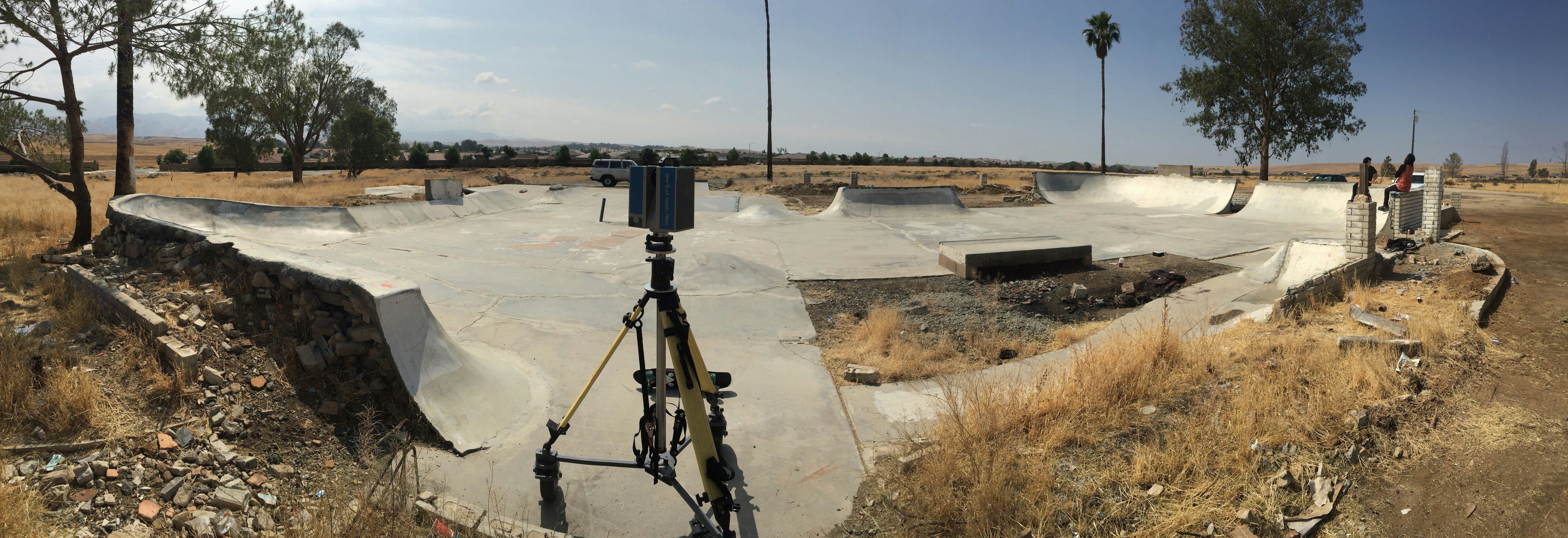
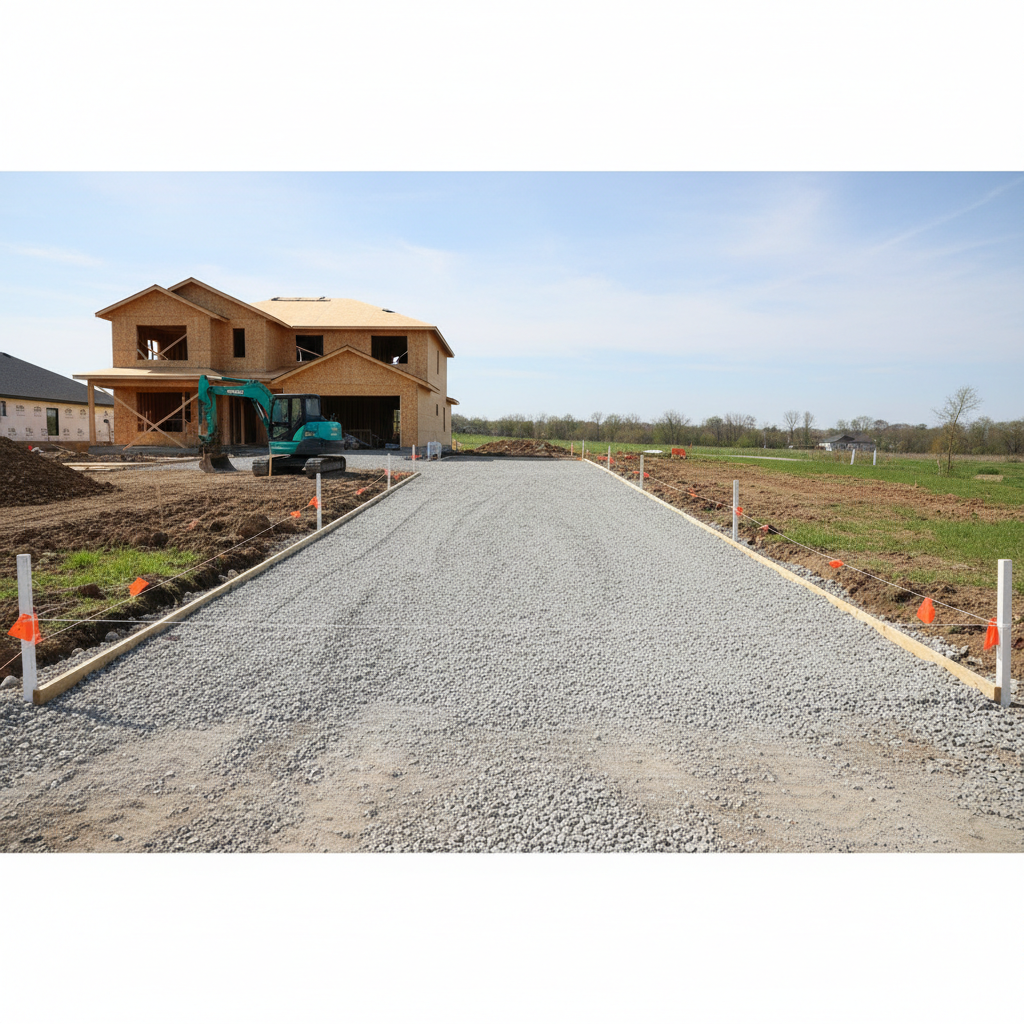
Laser level survey equipment on cracked driveway surface during site assessment
Engineer marking drainage gradient measurements on existing driveway with chalk lines
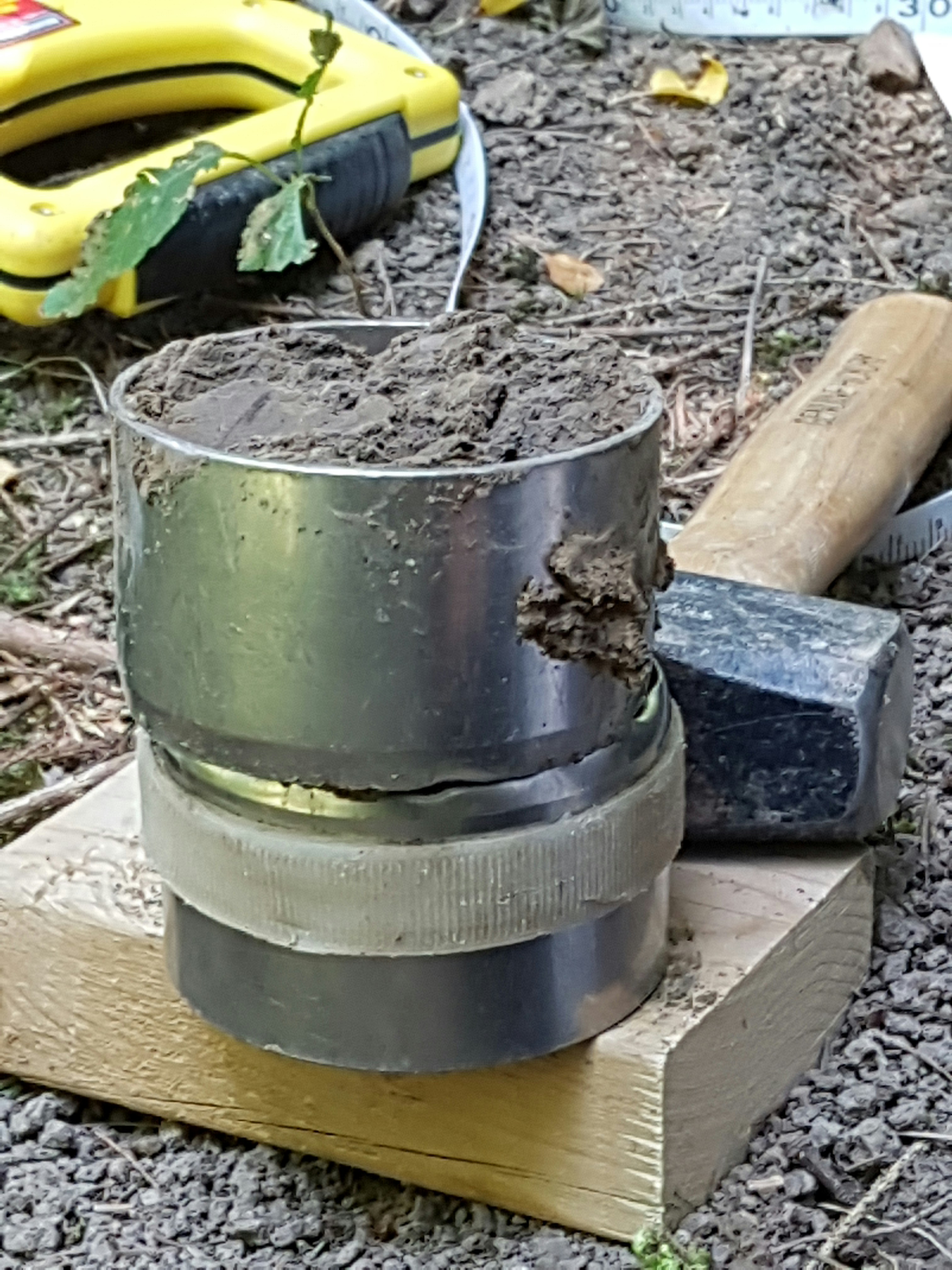
Soil compaction test being performed at driveway edge near garage apron

Every project begins with a site survey: laser-level readings across the full apron, soil compaction tests, and drainage mapping. We document every high and low point before a single tool touches the surface.

Specifications

Min. cross-fall1.5%
Max. cross-fall3.0%
Soil bearing cap.≥ 15 psi

Cross-Section

Existing surface
Grade plane
Herringbone clay paver samples arranged on workbench with specification cards showing compressive strength ratings
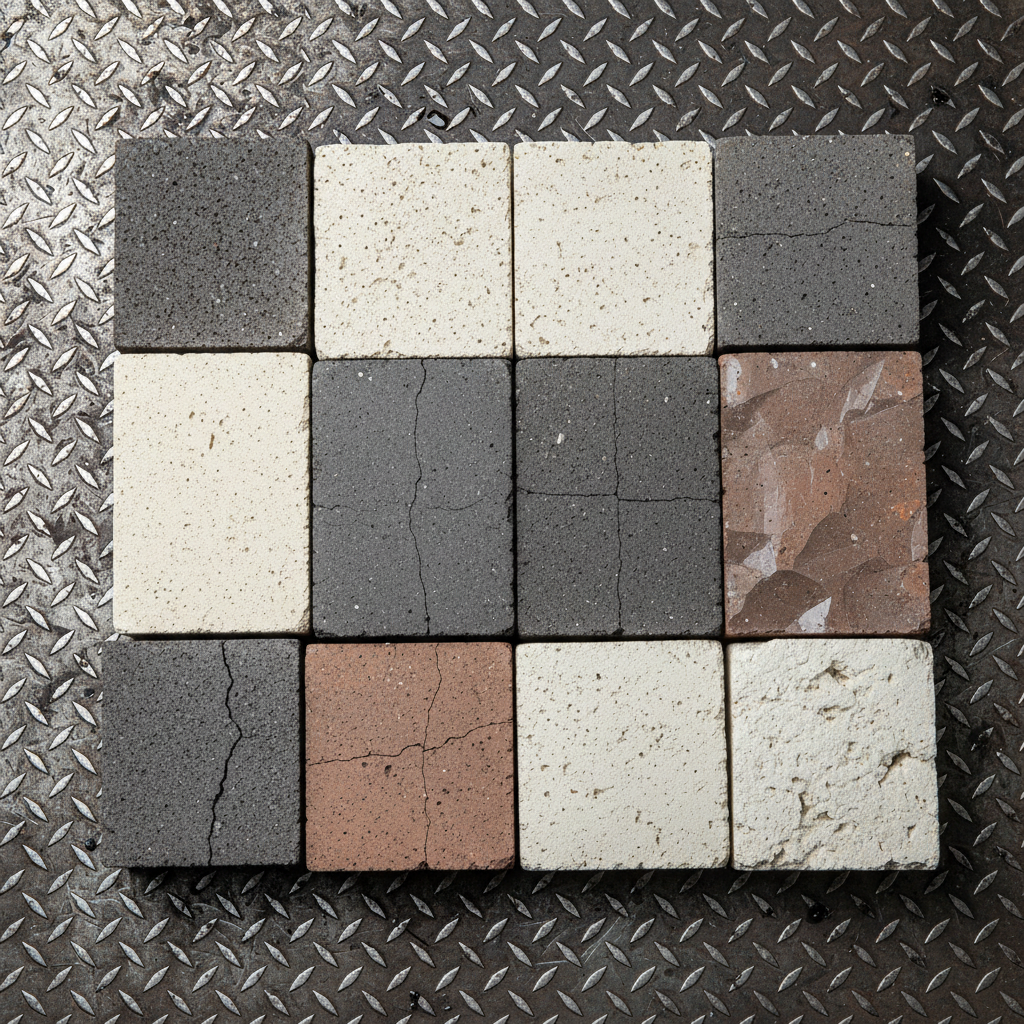
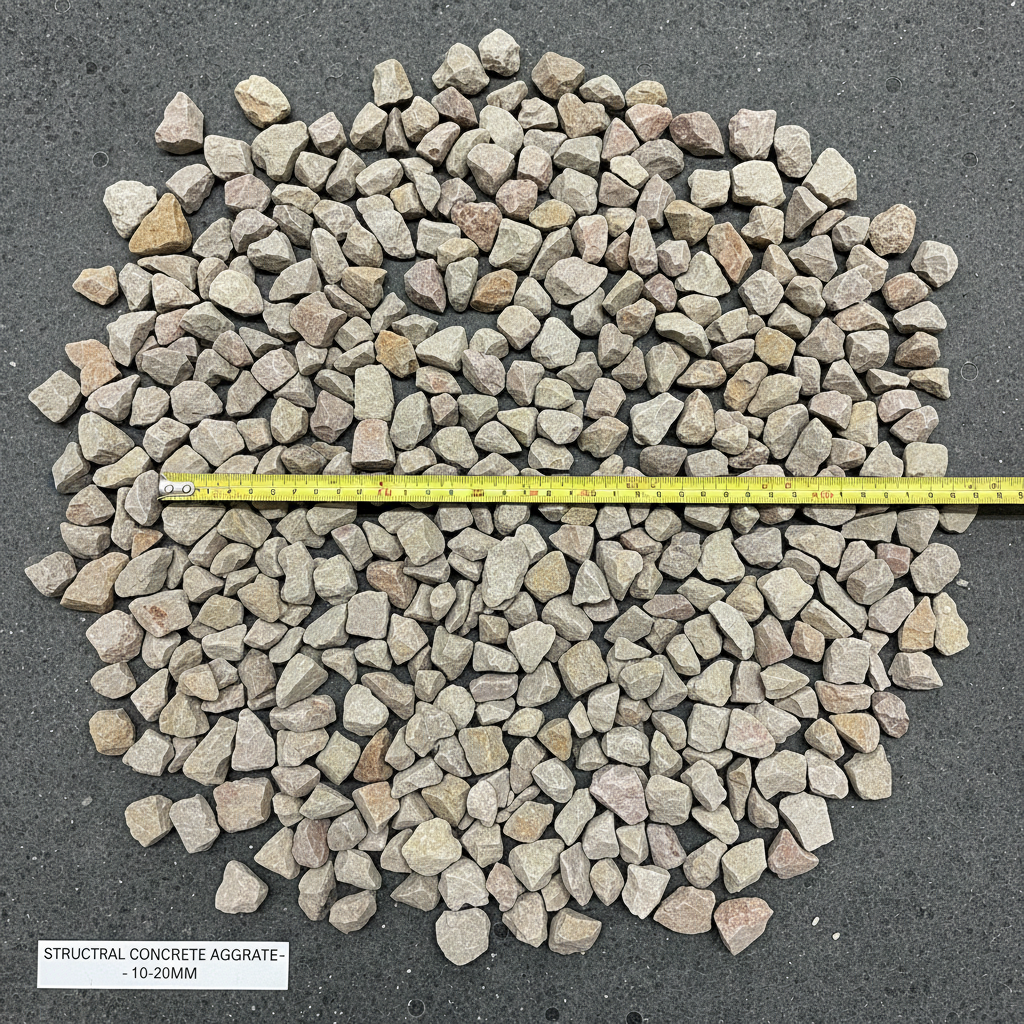
Permeable resin-bound stone sample board showing aggregate size options in warm terracotta tones
Stamped concrete pattern samples showing herringbone, cobblestone, and ashlar slate textures

Clay pavers, permeable resin-bound stone, stamped concrete, or corten-edged gravel — each material has a compressive strength rating, freeze-thaw cycle tolerance, and maintenance profile. We match the spec to your climate and use.

Specifications

Clay paver PSI8,000+
Freeze cycles≥ 50/yr
Surface frictionR11 min

Cross-Section

Surface material
Bedding layer
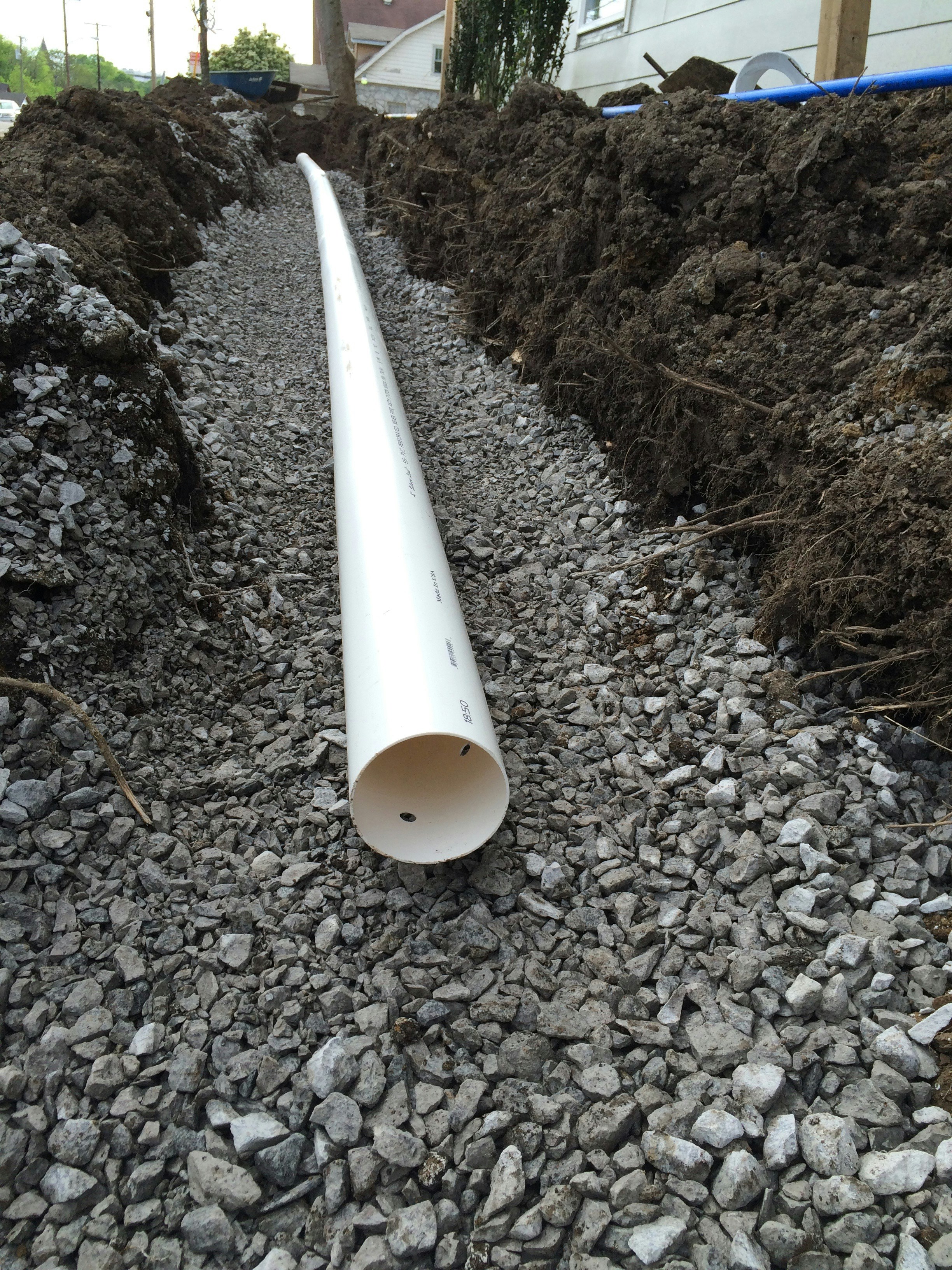
Excavation revealing layers of subgrade and aggregate base being compacted with a plate compactor
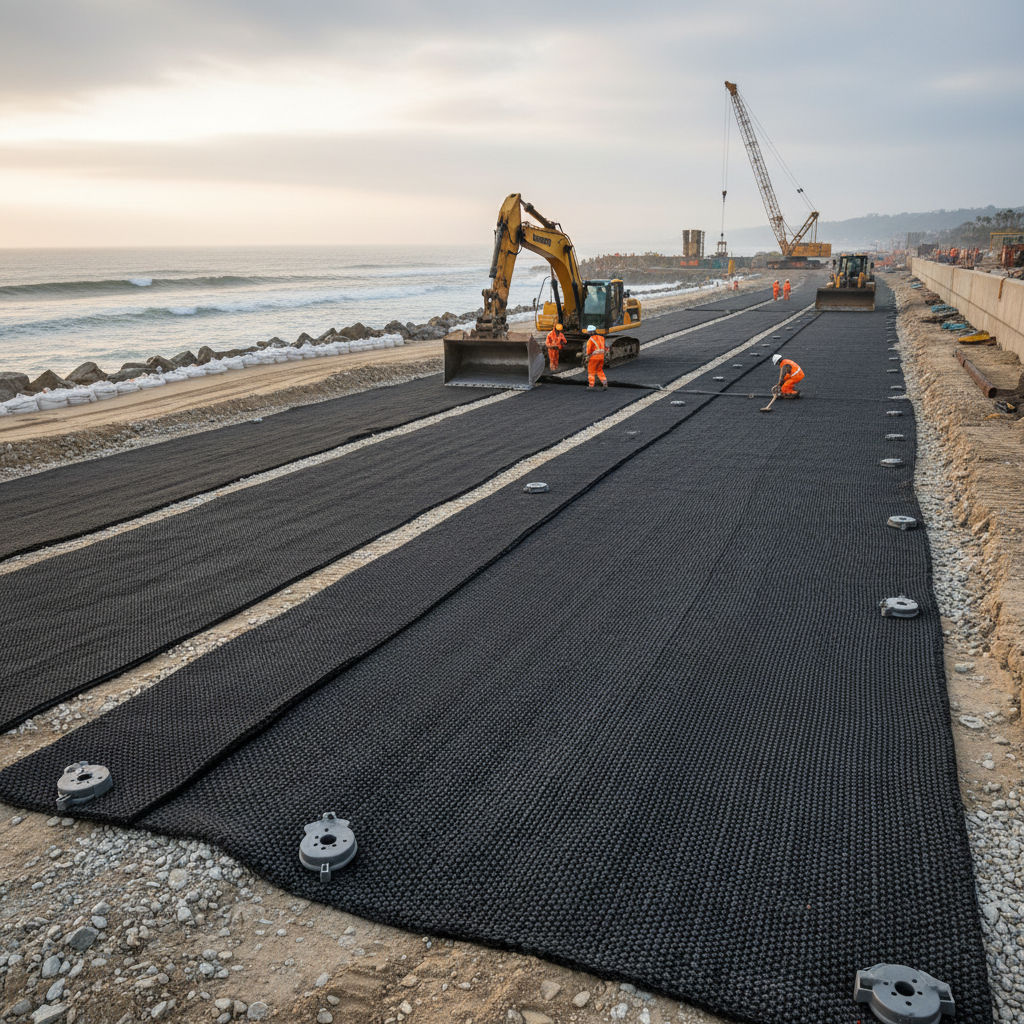
Geotextile membrane being rolled out over compacted subgrade before aggregate layer installation
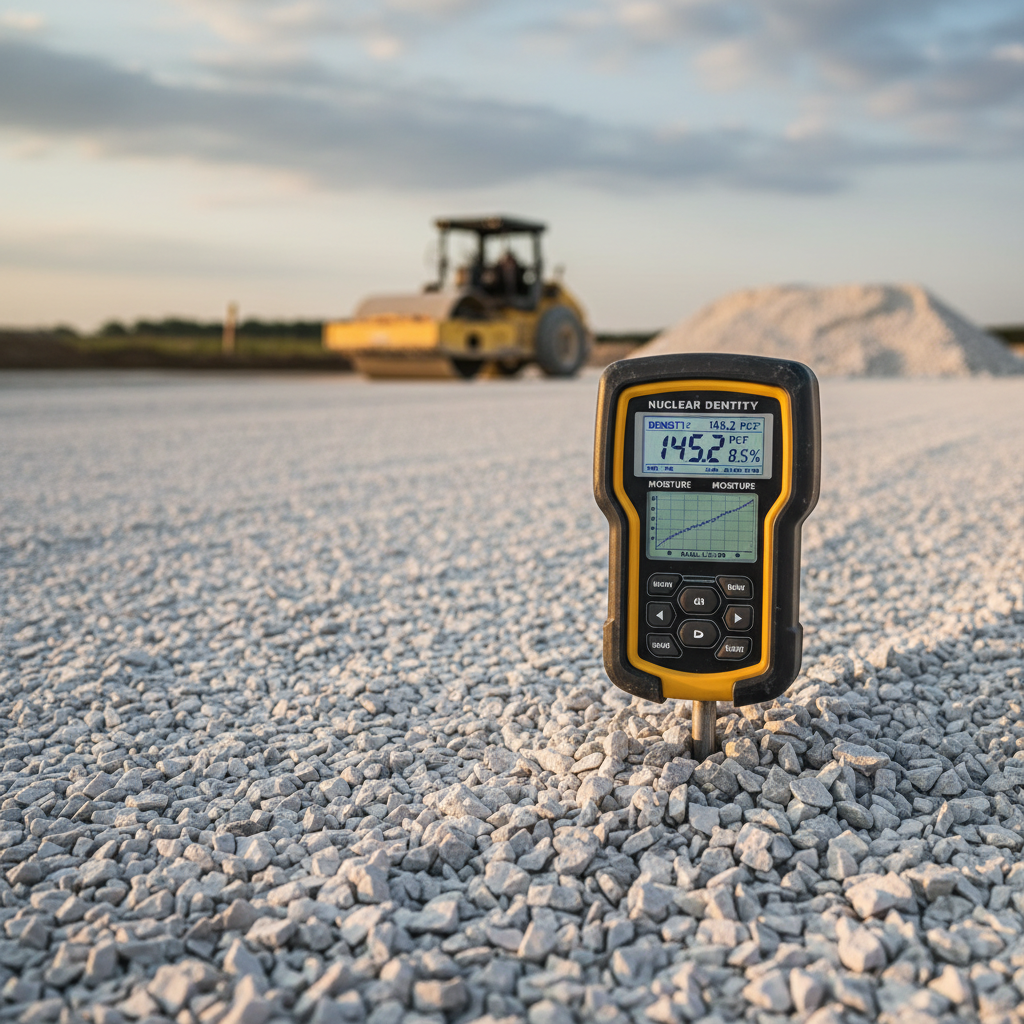
Nuclear density gauge reading on freshly compacted crushed limestone aggregate base

The surface is only as stable as what's underneath. We excavate to undisturbed subgrade, install geotextile membrane, compact 6″ of crushed aggregate in two lifts, and verify density with a nuclear gauge before any surface material touches down.

Specifications

Excavation depth10–14″
Aggregate lifts2 × 3″
Compaction≥ 95% Proctor

Cross-Section

Surface (future)
Bedding sand
Crushed aggregate
Geotextile
Compacted subgrade
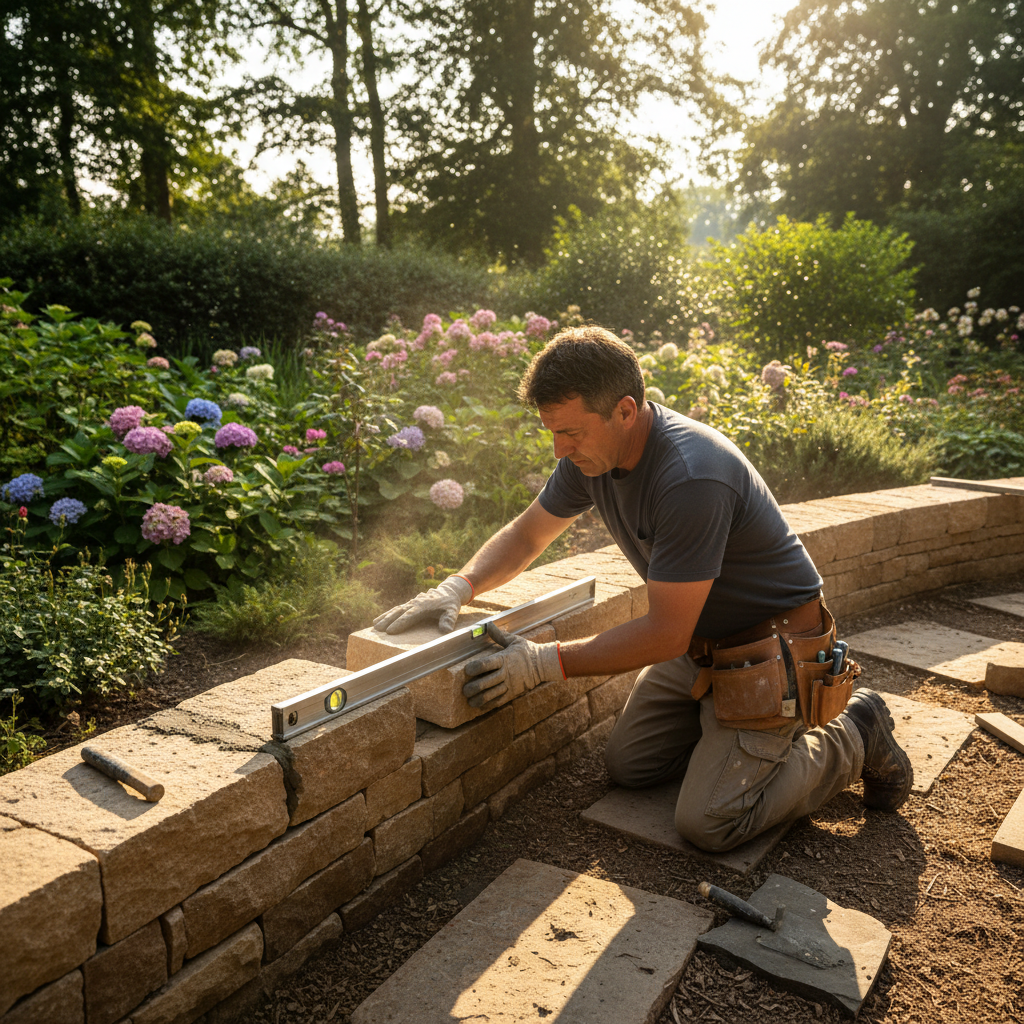
Skilled mason placing herringbone clay pavers by hand with rubber mallet and spacer tool on prepared sand bed
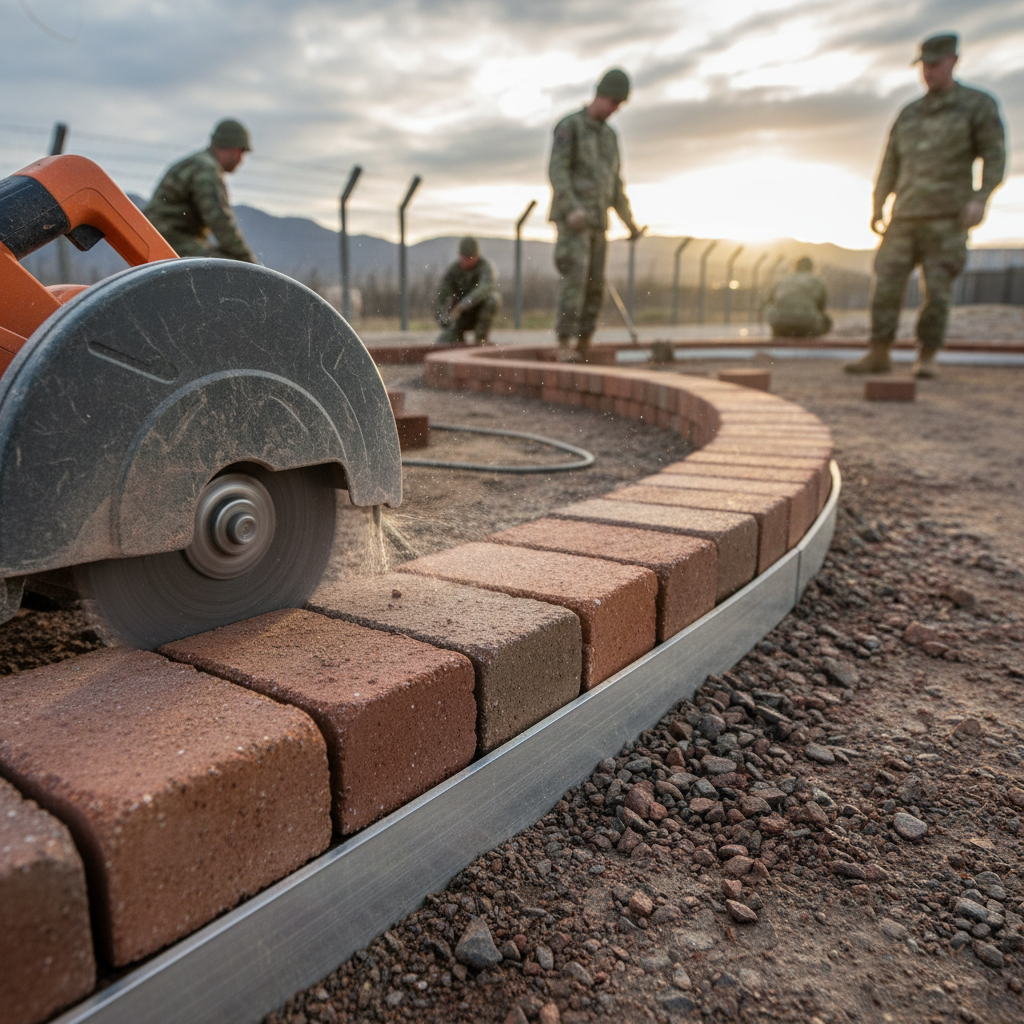
Soldier course border being precision-cut with a wet saw to fit flush against aluminum edge restraint
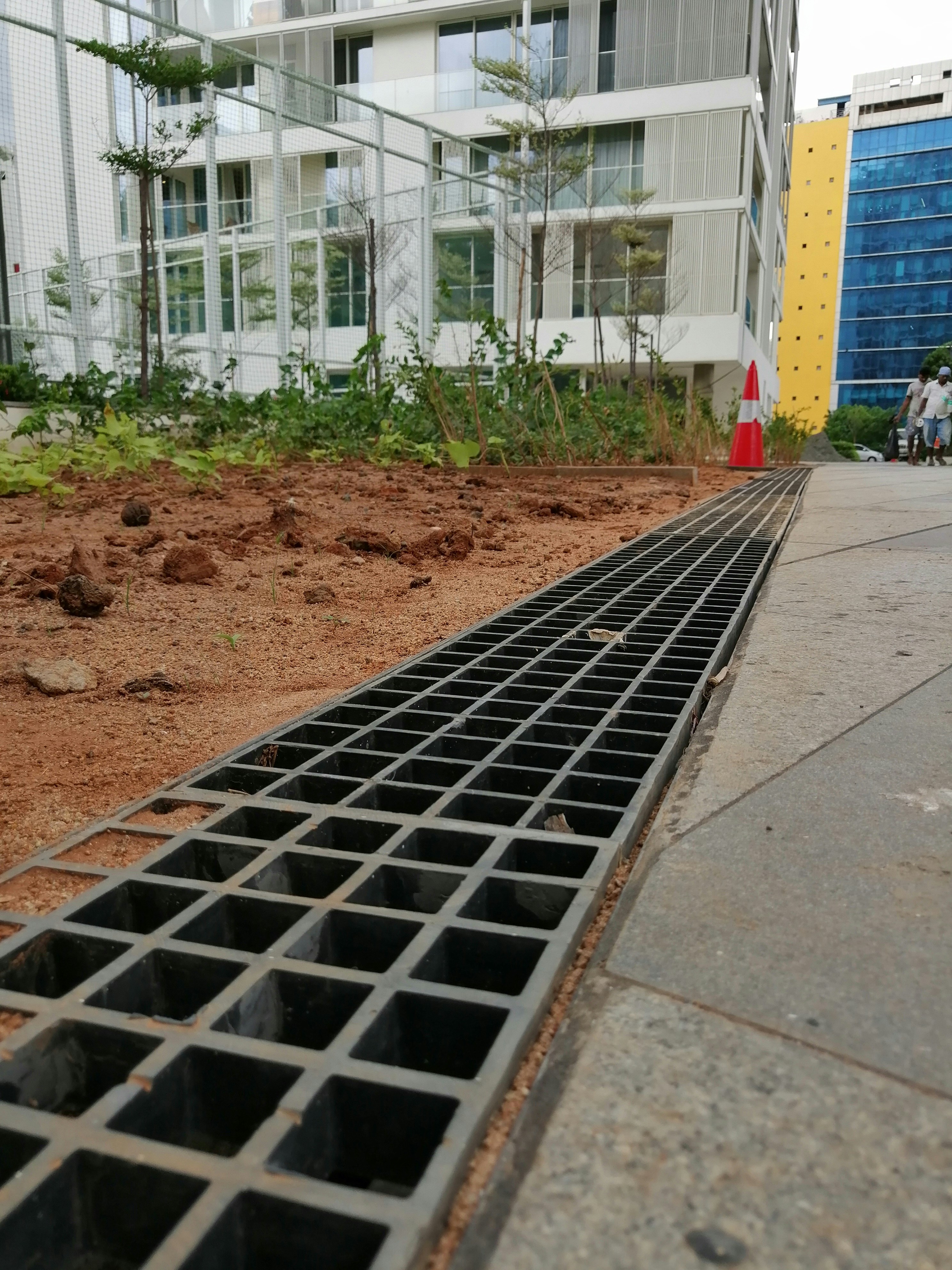
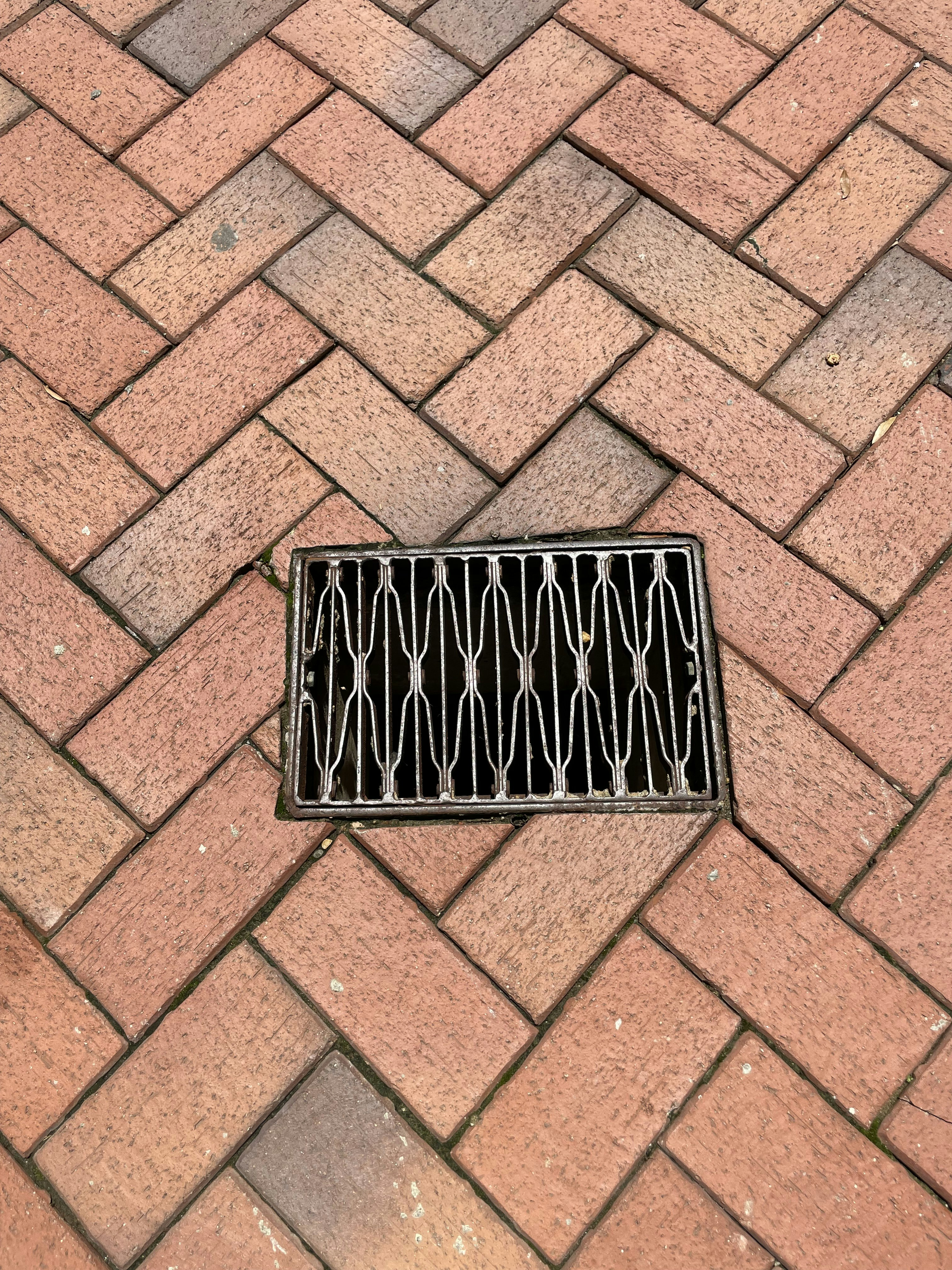
Corten steel drainage grate being set into central channel between completed paver fields

Pavers are set by hand, one at a time. Herringbone patterns lock under vehicle loads without mortar. Soldier-course borders are cut to within 1/16″ of the edge restraint. LED strip channels are routed before bedding sand is swept.

Specifications

Joint tolerance±1/16″
Pattern45° herringbone
Edge restraintCorten steel

Cross-Section

Clay pavers
Bedding sand 1″
Aggregate base
Polymeric sand being swept into paver joints with a push broom before water activation and curing
Two-coat silane sealer being applied to completed herringbone driveway with roller applicator
Completed driveway at dusk showing integrated LED edge lighting and corten steel drainage grate gleaming under streetlight

Polymeric sand is swept, vibrated, and activated — locking joints permanently against weeds and washout. A penetrating silane sealer is applied in two coats, protecting against oil, freeze-thaw spalling, and UV fade for 7–10 years.

Specifications

Sealer typeSilane/Siloxane
Sealer life7–10 years
Joint sandPolymeric

Cross-Section

Sealer (2 coats)
Paver surface
Polymeric joints

Surface Specifications

Four surfaces.
One right answer.

We specify the surface that fits your subgrade, your climate, and your maintenance preference — not the one with the best margin.
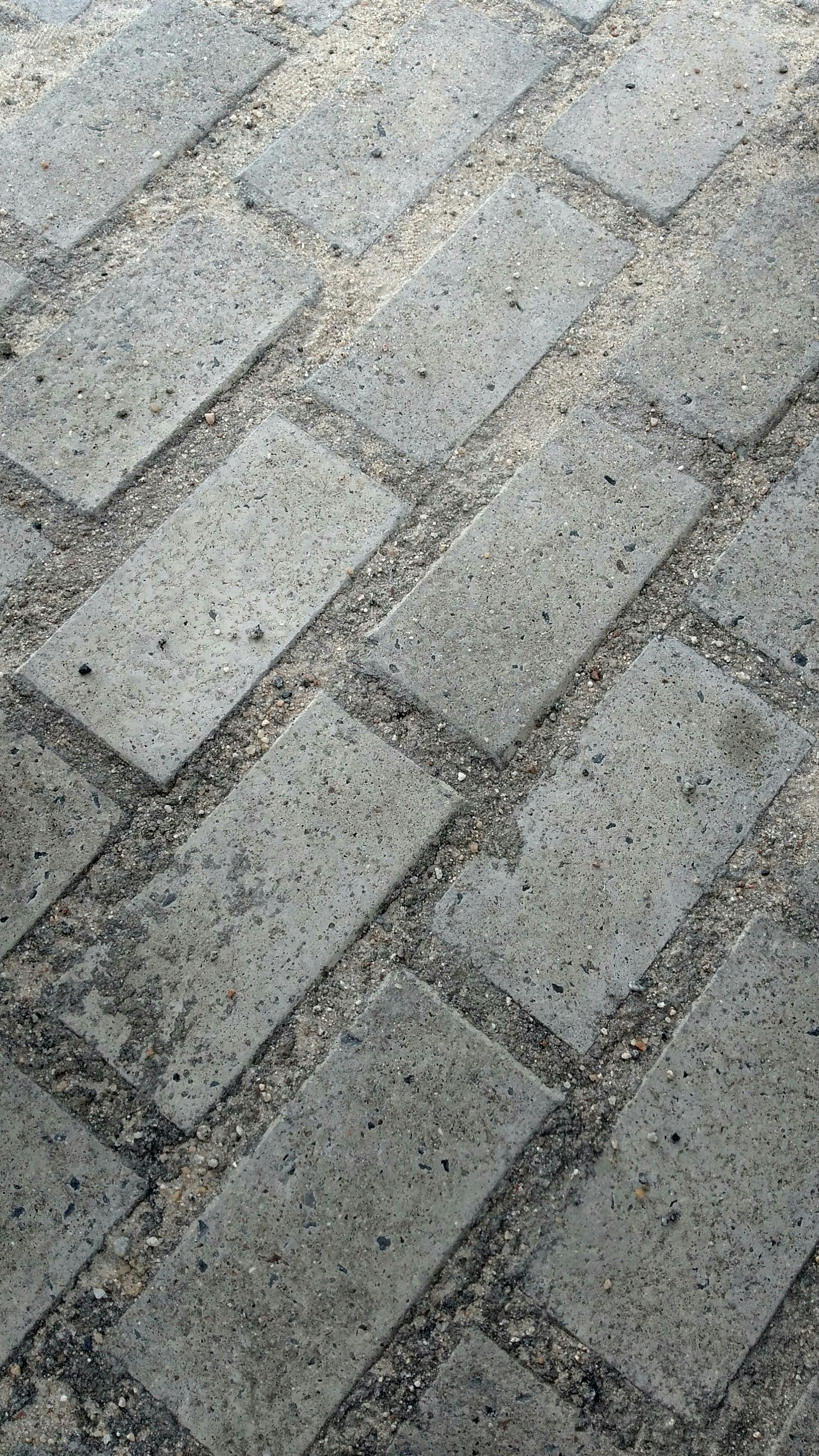
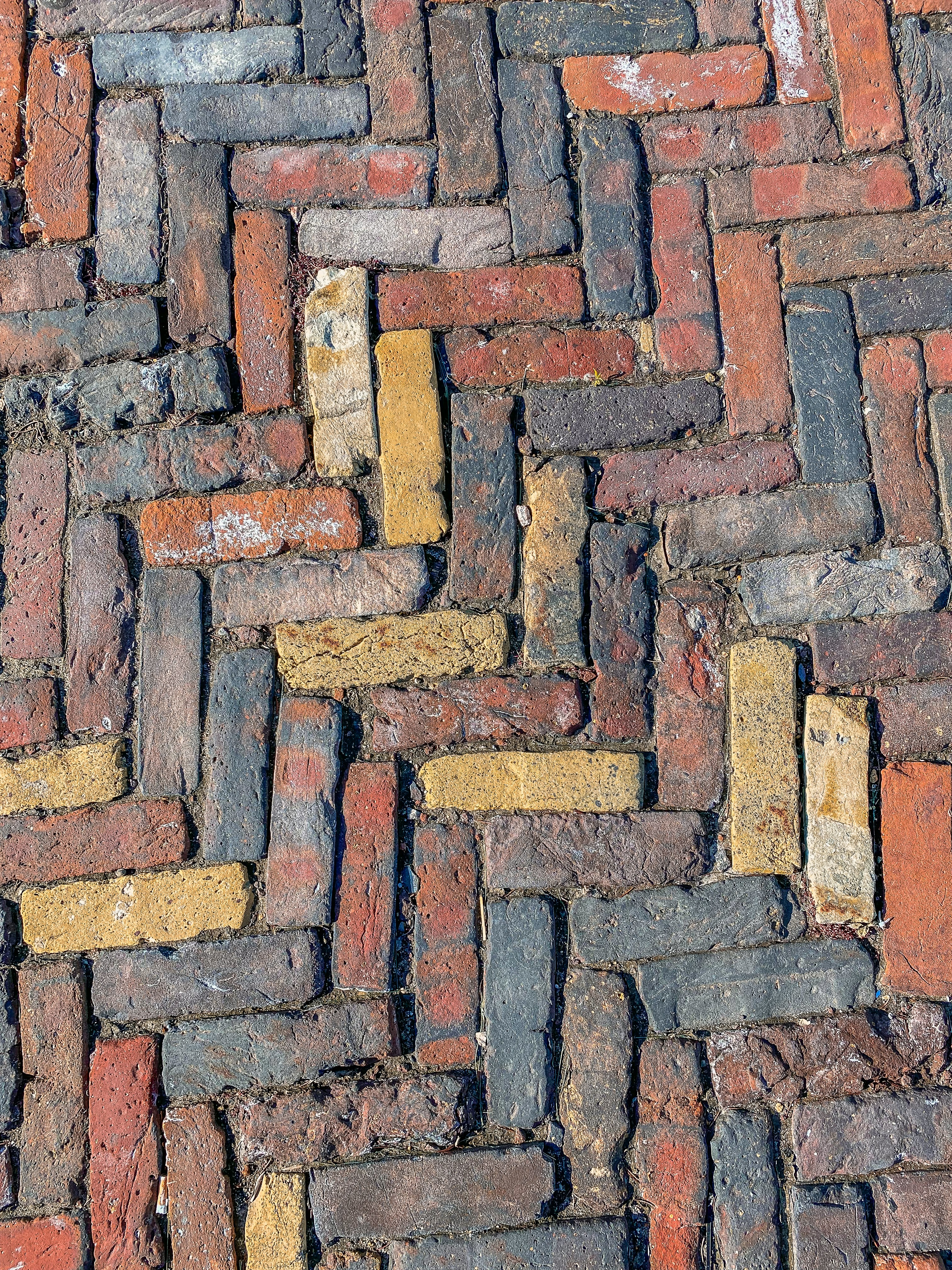
Close-up of herringbone clay paver pattern in warm terracotta tones with tight polymeric sand joints
Most Specified

Herringbone Clay Pavers

Kiln-fired at 2,100°F. Interlocks without mortar. Self-healing under freeze-thaw cycles.
8,000 PSI50+ freeze cyclesR11 slip rating
Permeable resin-bound aggregate driveway surface showing natural stone colors and smooth texture
Best for Drainage

Permeable Resin-Bound Stone

Aggregate bound in UV-stable resin. Fully permeable — zero standing water.
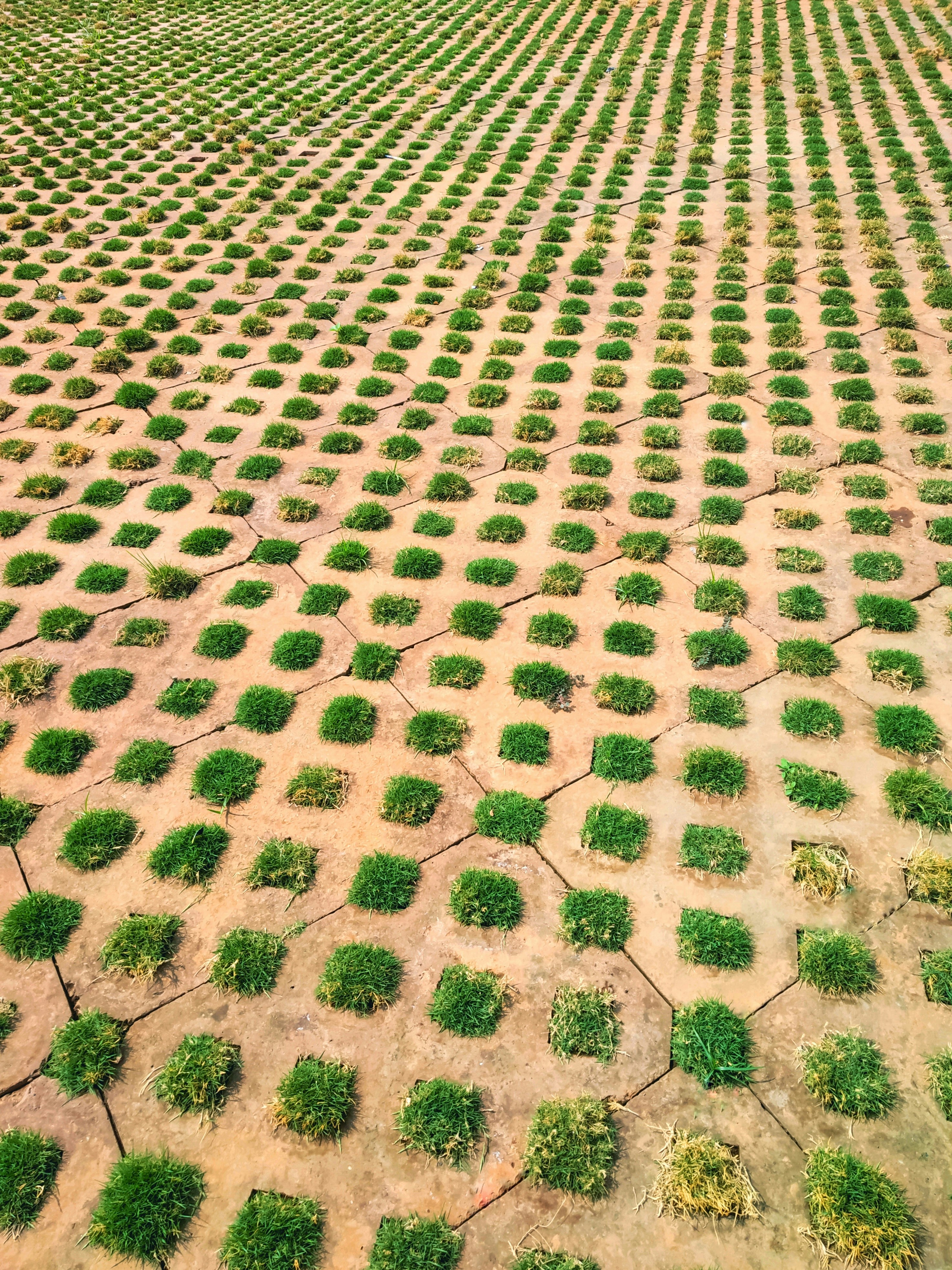
SuDS compliantUV stable 10yrCustom aggregate
Scored concrete driveway with geometric grid pattern and warm amber acid stain in afternoon light
Maximum Control

Scored & Stained Concrete

No excavation12 stain colors5yr sealer
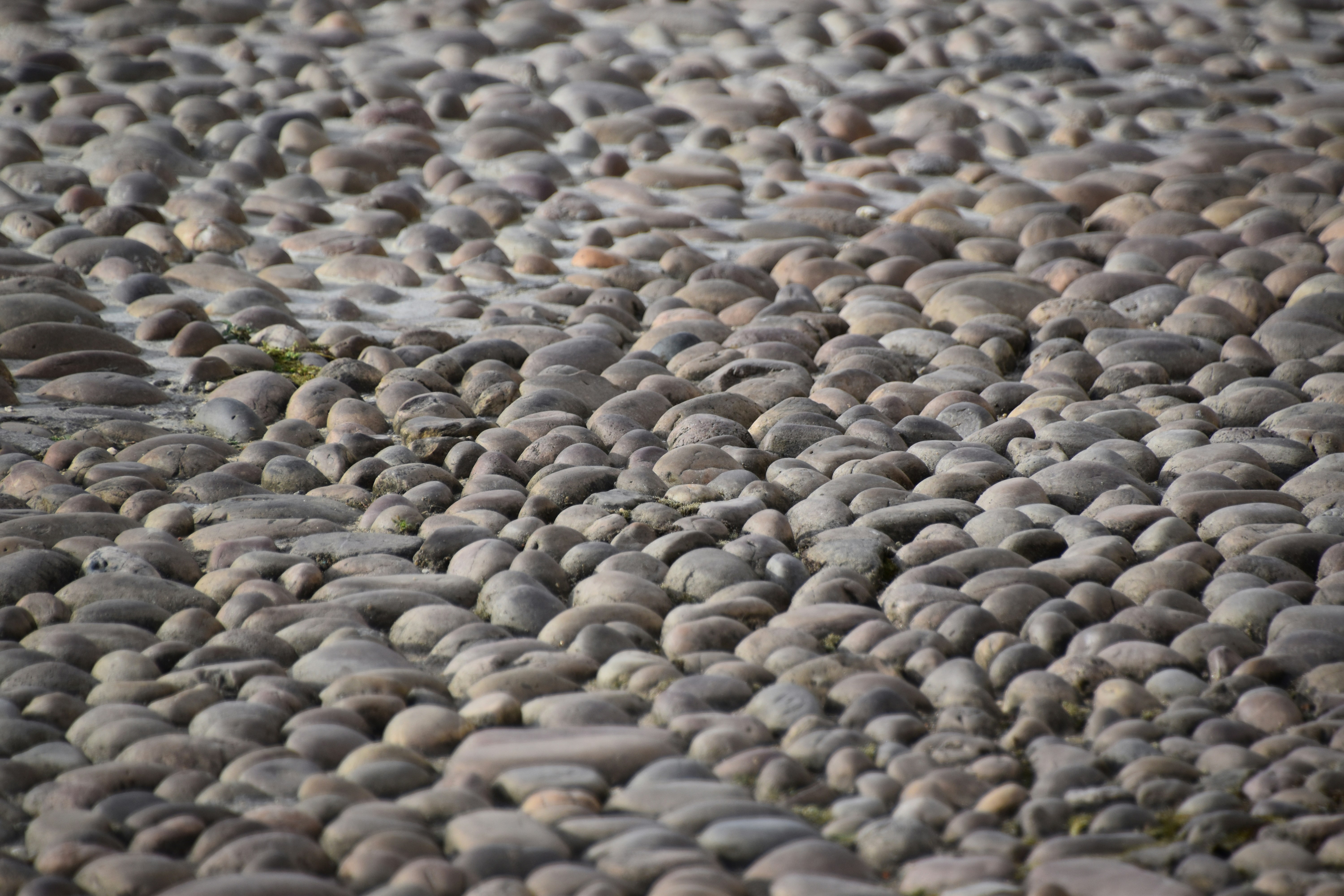
Decomposed granite driveway with corten steel edge restraints showing natural rust patina against warm gravel
Natural Aesthetic

Corten-Edged Decomposed Granite

Stabilized DG bounded by weathering steel. Ages alongside the landscape.

PermeableSelf-weatheringLow maintenance

Not sure which surface fits your property?

The diagnostic takes 90 seconds and narrows it to one recommendation.

Score Your Driveway

Project Record

Numbers that
don't round up.
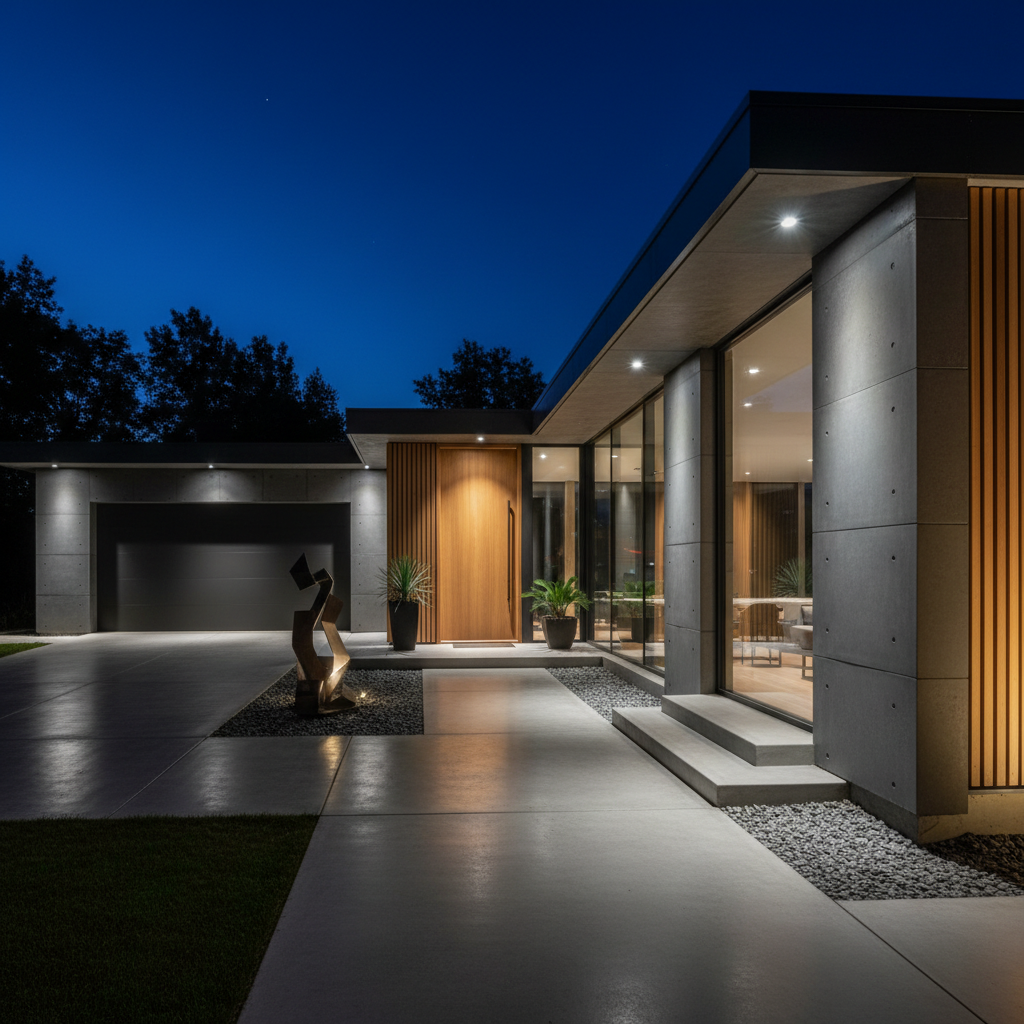
Completed herringbone clay paver driveway at Palo Alto ranch home with integrated LED edge lighting at dusk
Palo Alto, CA
Herringbone Clay Pavers

0sq ft

Surface area

0.0%

Drainage fall

0days

Install time

"I hired three contractors before Slab. None of them mentioned drainage gradients. Slab's survey found a 4-inch low point that would have flooded my garage every winter."

David Nakamura

Homeowner, 1962 Ranch Remodel
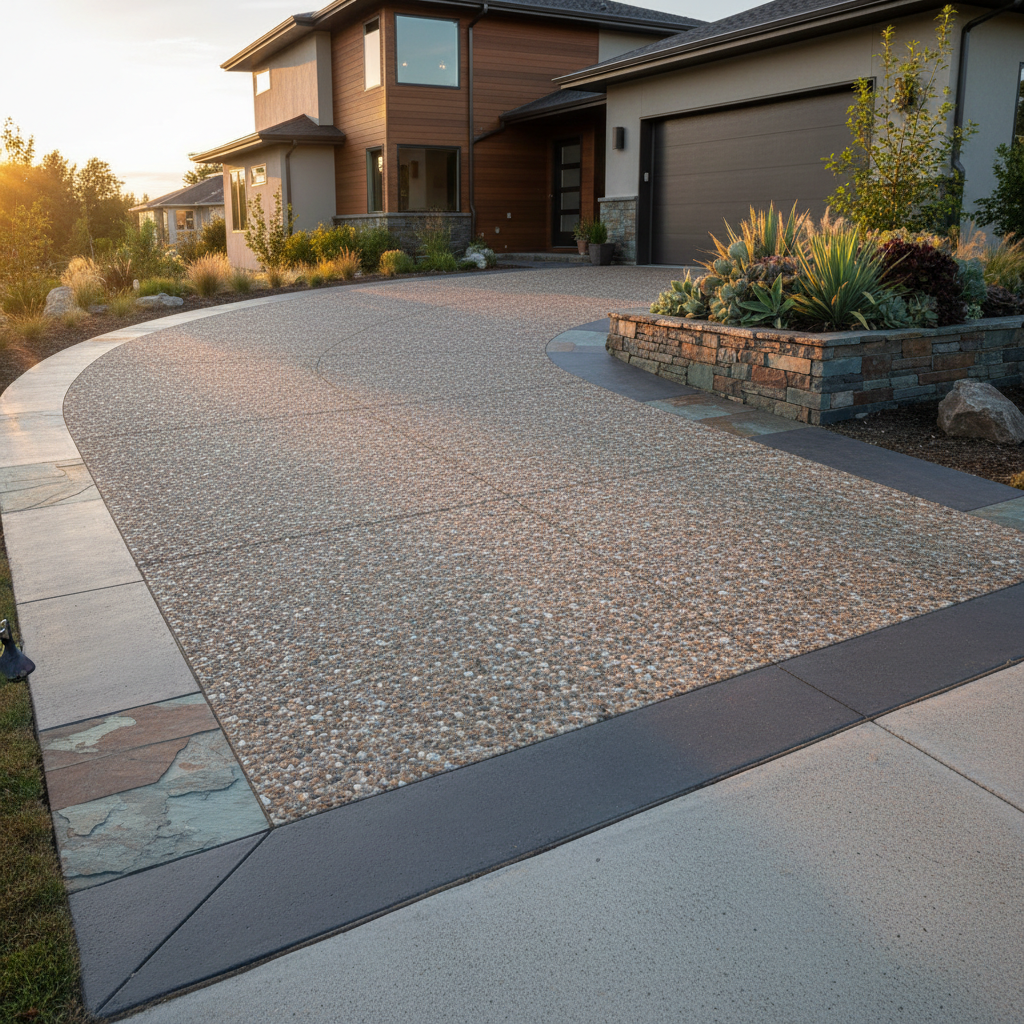
Permeable resin-bound stone driveway at Austin new construction home showing warm aggregate tones against limestone facade
Austin, TX
Permeable Resin-Bound Stone

0sq ft

Surface area

0L/m²/min

Permeability

0days

Install time

"Our HOA required drainage compliance. Slab produced a stamped engineering drawing within a week — the only contractor who could deliver that. Approved first submission."

Marcus Webb

Property Owner, New Construction

0+

Driveways completed

0 yr

Avg surface lifespan

0%

Client re-hire rate

0.0★

Average project rating

Free Diagnostic — 90 Seconds

Score Your
Driveway.

Five questions. One honest grade. A recommended design path sent to your inbox.

Question 1 of 50% complete

What is your current driveway surface?